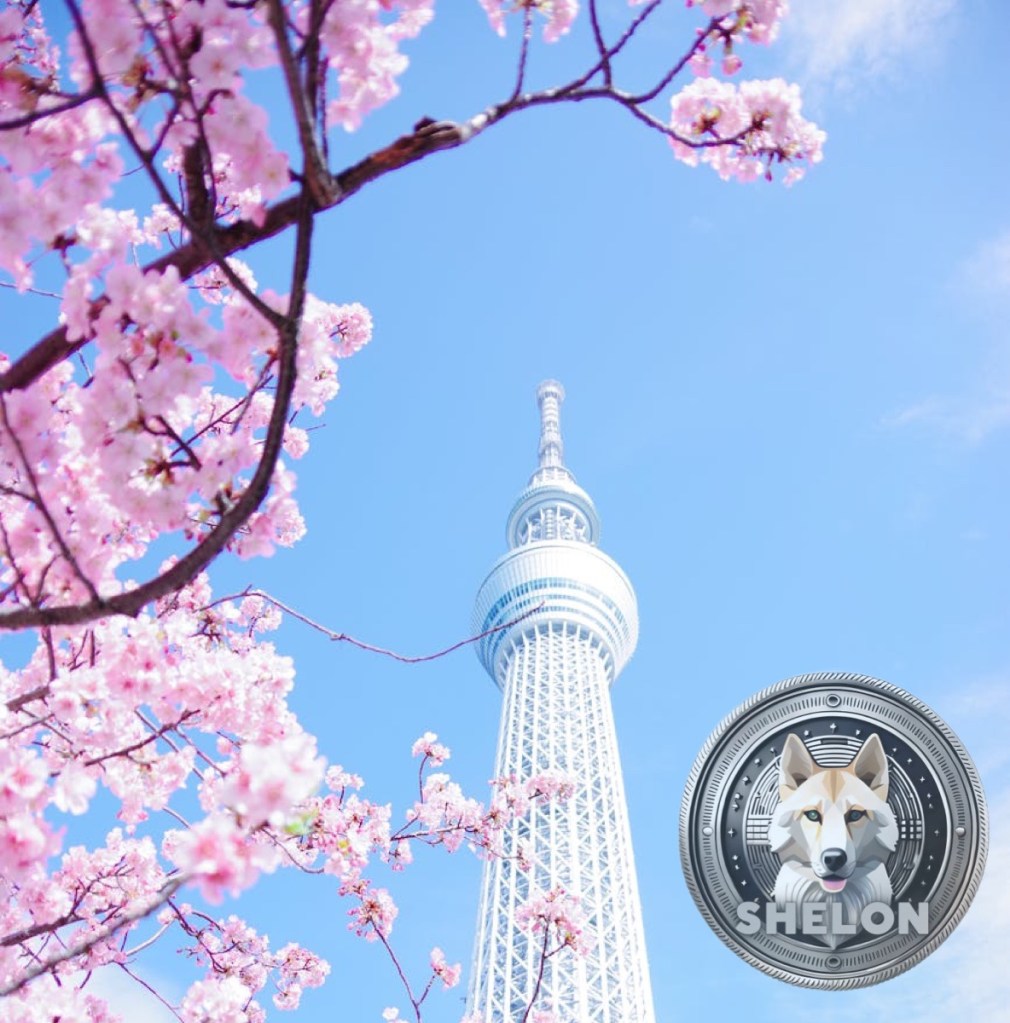
The crypto landscape in Japan has been a significant player in the global market, with a rich history and unique developments within the industry. In this article, we will delve into the crypto scene in Japan, highlighting the introduction of the $MONA token, the prominence of Tokyo and Osaka, and notable figures in the Japanese crypto space.
Binance’s Return and Regulatory Environment:
Binance, one of the largest cryptocurrency exchanges globally, recently made a comeback in the Japanese market. After shutting down operations in 2018 due to regulatory issues, Binance acquired the regulated crypto exchange Sakura Exchange Bitcoin (SEBC) in November 2022, paving the way for a fully regulated subsidiary in Japan. This move aligns with Binance’s strategy of expanding its global reach by acquiring locally-regulated entities.
Japanese Yen and Anti-Money Laundering Measures:
The Japanese yen has played a crucial role in the crypto market in Japan, with many exchanges facilitating trading pairs with the national currency. Japan was among the first nations to introduce comprehensive regulations for cryptocurrencies. These regulations have focused on measures to combat money laundering, requiring crypto exchanges to separate client funds from other assets. These stringent measures have contributed to a sense of security and trust within the Japanese crypto community.
Tokyo and Osaka: Contrasting Crypto Hubs:
Tokyo, the capital city of Japan, has been the primary hub for major crypto firms operating within the country. Headquarters of renowned exchanges like Mt. Gox, bitFlyer, Liquid, and Coincheck are located in Tokyo. Additionally, financial giant SBI Holdings established the Osaka Digital Exchange, a blockchain-based digital stock exchange, in 2022, showcasing Osaka’s emergence as a notable crypto center.
Crypto Culture and Influential Figures:
Crypto adoption and culture have thrived in Japan, with the country being an early adopter of digital currencies. While the identity of Bitcoin creator Satoshi Nakamoto remains a mystery, Japan was one of the first countries to recognize cryptocurrencies as legal property. Tokyo witnessed the debut of Bitcoin ATMs in 2014, and despite regulatory challenges, they made a comeback in major cities in 2022. Influential figures in the Japanese crypto space include Mark Karpelès, former CEO of Mt. Gox; Kim Nilsson, the developer who investigated Mt. Gox’s missing Bitcoin; and Charles Hoskinson, founder of Cardano.
Osaka’s Vibrant Crypto Scene and Future Events:
Osaka, located in the Kansai region, offers a distinct crypto landscape compared to Tokyo. The area boasts a unique dialect, a grittier ambiance, and serves as a gateway to popular tourist destinations like Kyoto and Nara. The Kansai Bitcoiners group, established in 2013, remains active and hosts various events. Osaka is also set to host the Blockchain and Internet of Things Conference, the International Conference on Blockchain and Cryptocurrency in 2023, and the World Expo in 2025, which is expected to be a completely cashless event.
Education and Blockchain Research:
Leading educational institutions in Osaka, such as Osaka University and Osaka Metropolitan University, offer research opportunities in distributed ledger technology, blockchain, and cryptography. These initiatives aim to develop safe and secure distributed applications, contributing to the advancement of blockchain technologies in Japan.
In conclusion, Japan’s crypto market has witnessed significant developments over the years. The introduction of the $MONA token, Binance’s return to the Japanese market, and the contrasting crypto scenes in Tokyo and Osaka highlight the dynamic nature of the industry in the country. As Japan continues to explore blockchain applications and host major crypto events, its influence in the global crypto space is set to grow further.

 Microcap and Nanocap Crypto