Pepe Le Pew: Exploring the Controversy and Skunk Biology
Pepe Le Pew, the animated character from Warner Bros.’ Looney Tunes and Merrie Melodies series, has found himself at the center of a cultural debate surrounding the relevance and appropriateness of classic children’s characters. With recent discussions around the portrayal of racial stereotypes in Dr. Seuss books, Pepe Le Pew’s amorous adventures have come under scrutiny due to concerns about offensive content. This article explores the controversy surrounding Pepe Le Pew while shedding light on the biology and behavior of real skunks.
The Controversy:
Pepe Le Pew’s fate was sealed when Warner Bros. announced in 2021 that the character would be scaled back in future projects. The decision was driven by concerns that Pepe’s persistent and unwanted pursuit of romantic relationships promoted harassment and normalized non-consensual behavior. Critics argued that the character’s actions perpetuated toxic masculinity and blurred the lines of consent, particularly in a children’s entertainment context. The aim was to address these concerns and align with evolving societal values and standards.
Skunk Biology and Behavior:
Real skunks, in contrast to their animated counterpart, exhibit fascinating biology and behavior. Skunks are known for their distinct black and white coloring, which acts as a warning sign to potential predators. Their fur contains sulfur compounds that emit a pungent odor when the skunk feels threatened. This strong scent serves as a defense mechanism, deterring predators and allowing skunks to escape harm.
Skunks are primarily nocturnal creatures, and their diet consists of a variety of foods, including insects, small mammals, fruits, and vegetables. They are skilled diggers and often create dens underground. Skunks are solitary animals, except during the mating season when males and females come together briefly.
The controversy surrounding Pepe Le Pew reflects a broader movement in the entertainment industry to reevaluate and recontextualize content that perpetuates harmful stereotypes or promotes inappropriate behavior. By examining the real biology and behavior of skunks, we can appreciate the fascinating nature of these creatures and understand the stark differences between their natural behavior and the exaggerated portrayal of Pepe Le Pew.
While Pepe Le Pew’s character has been significantly scaled back, it is important to recognize that the original cartoons are part of our cultural history and may still be accessible for viewing. The focus now lies on creating new content that aligns with contemporary values while preserving the historical context of these iconic cartoons. As society continues to evolve, it is crucial to foster discussions that promote inclusivity, respect, and awareness of the impact of media on our perception of relationships and consent.
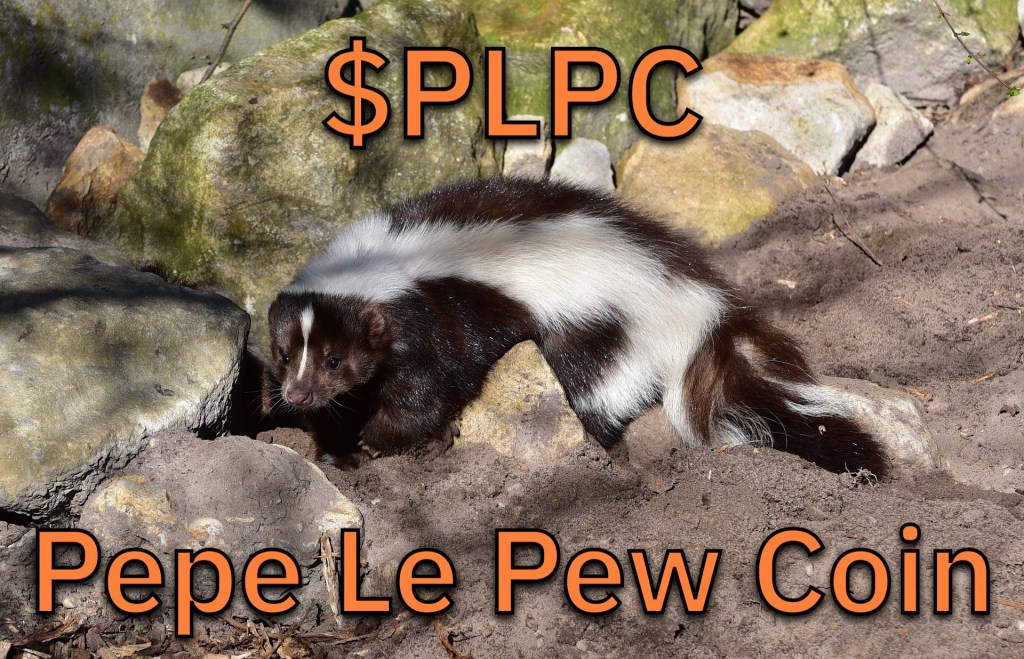
Is this the real #PEPEKILLER? 🎯🚀 Crypto fun #TOPSECRETMEMECOIN LIVE! Name reveal Jun 29 hosted by SquidGrowJoe!
Telegram: https://t.me/PepeLePewCoin
Twitter: https://twitter.com/pepelepewcrypto
Not financial advice. Entertainment purposes only.

 Microcap and Nanocap Crypto