The Rise and Fall of the SEGA Mega Drive: A Journey Through Gaming History
In the annals of gaming history, few consoles have left as profound an impact as the SEGA Mega Drive. Also known as the SEGA Genesis in North America, this iconic console played a pivotal role in shaping the gaming landscape of the late 1980s and early 1990s. Its journey from meteoric rise to eventual decline is a testament to the dynamic and fiercely competitive nature of the gaming industry.
The Genesis of a Legend: Birth of the Mega Drive
The SEGA Mega Drive burst onto the scene in 1988, signaling a new era of gaming. Equipped with cutting-edge hardware, the console boasted a 16-bit processor that allowed for richer graphics, enhanced sound capabilities, and a broader range of gameplay experiences compared to its 8-bit predecessors. Its sleek, black design and innovative “Blast Processing” marketing campaign captured the imagination of gamers worldwide.
Sonic Speeds Ahead: The Sonic-SEGA Partnership
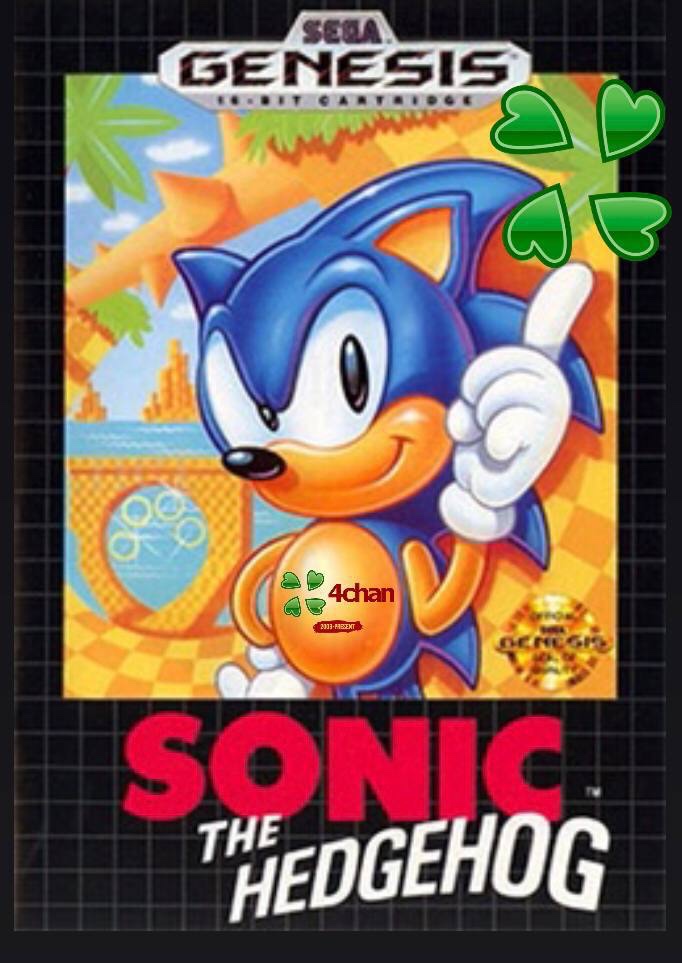
One of the most significant contributors to the Mega Drive’s success was the introduction of Sonic the Hedgehog. Sonic’s lightning-fast gameplay and charismatic personality turned him into SEGA’s mascot and a cultural icon. The rivalry between Sonic and Nintendo’s Mario defined the console wars of the early ’90s, propelling the Mega Drive to the forefront of gaming.
Third-Party Triumphs: Expanding the Library
The Mega Drive’s open platform attracted a wealth of third-party developers, leading to a diverse game library. Titles like “Streets of Rage,” “Golden Axe,” “Altered Beast,” and “Phantasy Star” showcased the console’s versatility, offering action, adventure, and role-playing experiences that resonated with gamers of all ages.
The Birth of Console Wars: SEGA vs. Nintendo
The rivalry between SEGA and Nintendo escalated into one of the most iconic chapters in gaming history. SEGA’s aggressive marketing campaigns directly targeted Nintendo, challenging their market dominance. The “Genesis Does What Nintendon’t” slogan and edgy marketing tactics fueled the console wars, sparking fierce debates among fans and inspiring a new level of competition in the industry.
Rise of the CD: SEGA CD and 32X
As the gaming landscape evolved, SEGA attempted to stay ahead by introducing innovative peripherals like the SEGA CD and 32X. The SEGA CD added CD-ROM capabilities, promising more expansive games with full-motion video. The 32X, on the other hand, aimed to provide 32-bit graphics within the existing Mega Drive. However, the fragmented approach confused consumers and strained developer resources.
The Bitter End: The Mega Drive’s Decline
Despite its initial success, several factors contributed to the Mega Drive’s decline. The proliferation of the Sony PlayStation and the SEGA Saturn, internal disagreements within SEGA, and the emergence of newer consoles shifted the gaming landscape. The Saturn’s surprise launch further complicated matters, leaving many developers and consumers puzzled and alienated.
Legacy and Revival
While the SEGA Mega Drive’s reign was relatively short-lived, its legacy endures. The console’s extensive library, pioneering hardware, and cultural impact remain indelible. Retro gaming enthusiasts continue to celebrate the Mega Drive’s contributions, and the console’s games are frequently re-released on modern platforms, allowing a new generation to experience the magic.
In conclusion, the rise and fall of the SEGA Mega Drive stands as a testament to the cyclical nature of the gaming industry. From its groundbreaking technology and iconic mascot to its role in the console wars, the Mega Drive’s impact on gaming history cannot be overstated. It remains a symbol of an era when gaming was undergoing a radical transformation, and its legacy lives on in the hearts of gamers and the annals of nostalgia.


 Microcap and Nanocap Crypto